
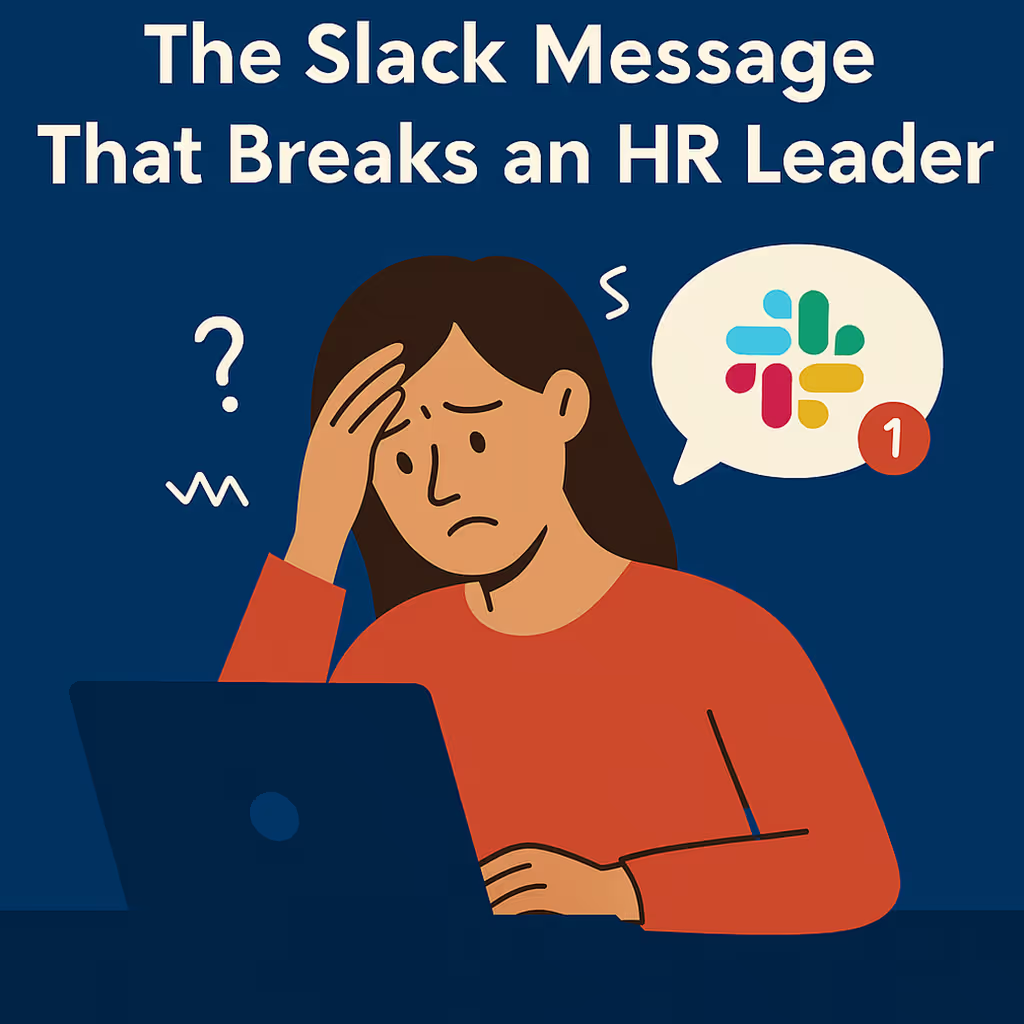
Why HR burnout doesn’t start with big disasters—but with small, constant slack interruptions to your credibility, your time, and your trust
Slack message: "Hey, quick Q—can we move up Priya’s start date by a week? She already gave notice, so it shouldn’t be a big deal, right?"
To anyone else, it sounds harmless. Just a reschedule. Just a favor.
To HR, it sounds like:
- Reopening onboarding plans you just finalized
- Rerunning a background check
- Updating payroll timelines
- Verifying immigration documents (again)
- Getting blamed when something breaks
And it usually lands 5 minutes before your 1:1 with leadership.
Death by a Thousand Messages: How Slack Leads to HR Burnout
Burnout in HR isn’t caused by one huge event. It’s caused by a thousand small assumptions:
- That you’re always available
- That you’ll clean it up
- That you don’t need context, prep, or lead time
And because HR often carries these loads quietly, no one sees it until something cracks.
These Messages Hit Harder Than They Look
HR isn’t just logistical work. It’s credibility work.
When someone casually sidesteps the process you built, they’re not just adding tasks to your plate—they’re undermining the system you’ve been asked to lead.
You start to wonder:
- Do they think I’m just admin?
- Does my work even matter?
- Is it worth speaking up… again?
And that’s where the fatigue grows. Not just from doing the work—but from constantly defending it.
What These Moments Are Really Telling You
These Slack messages aren’t just bad timing. They’re symptoms of misalignment:
- No shared understanding of what HR owns
- No clarity around process consequences
- No visible support for HR from leadership
But they can also be opportunities:
- To reinforce boundaries
- To improve upstream communication
- To invite your team into shared responsibility
What You Can Say Instead of Staying Silent
- When the request crosses a line:“That change affects multiple systems and vendors. Let me walk you through the downstream impact so we can align on a better time.”
- When you want to set a precedent:“We can make that adjustment this time, but let’s align on a process for future changes to protect the team’s bandwidth.”
- When you want leadership support:“I’m noticing a trend of urgent people-related requests that bypass our process. Can we flag this in our next leadership sync?”
Final Thoughts: It’s Not the Message. It’s the Message About the Message.
You don’t break because someone asked a question. You break because the question assumes you have nothing else to do, no system to respect, and no power to say no.
But you do.
Setting boundaries isn’t about saying no to your team—it’s about saying yes to the version of HR you’ve been trying to build.
.svg)